

Hardware for
the herd environment.
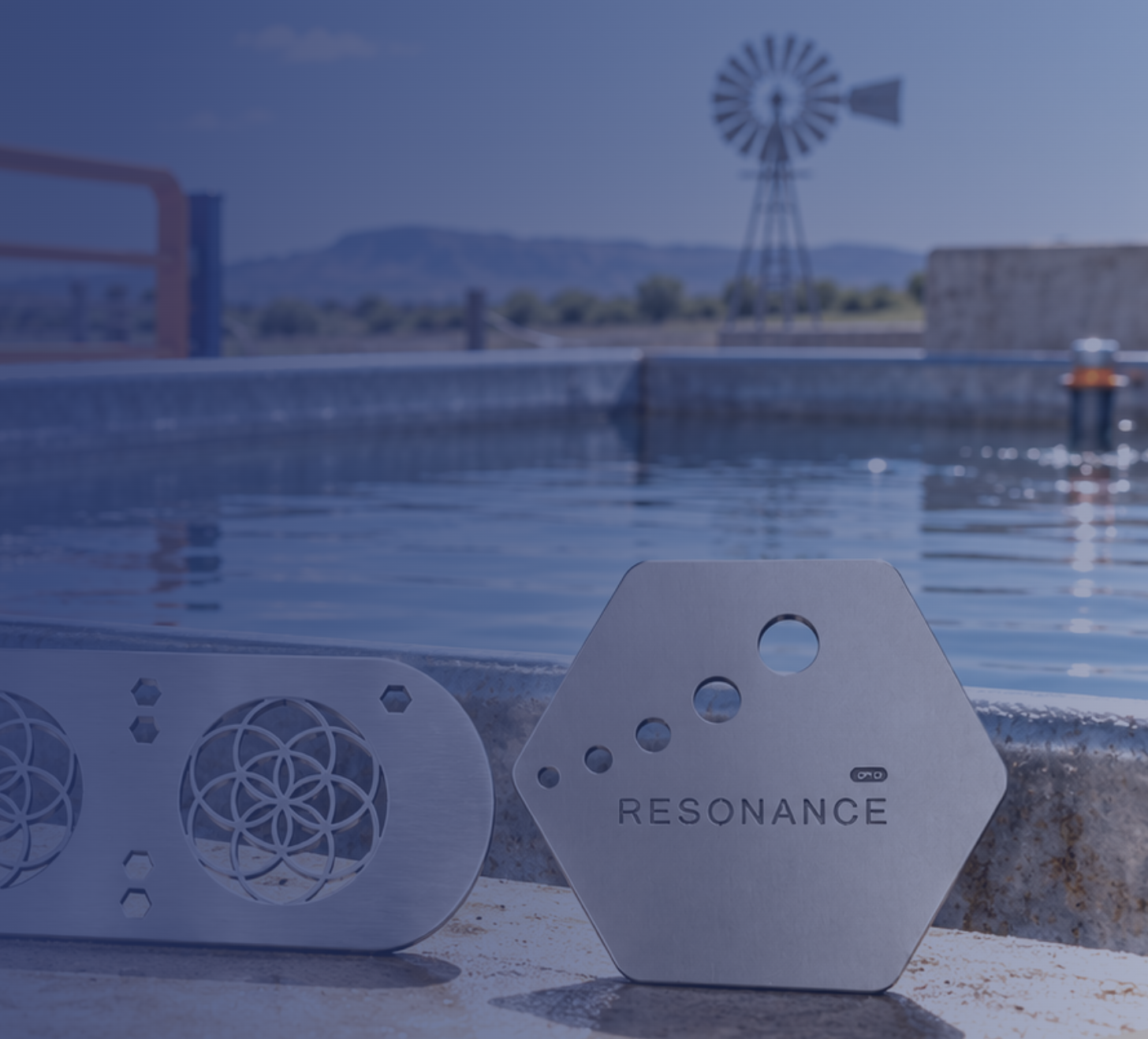
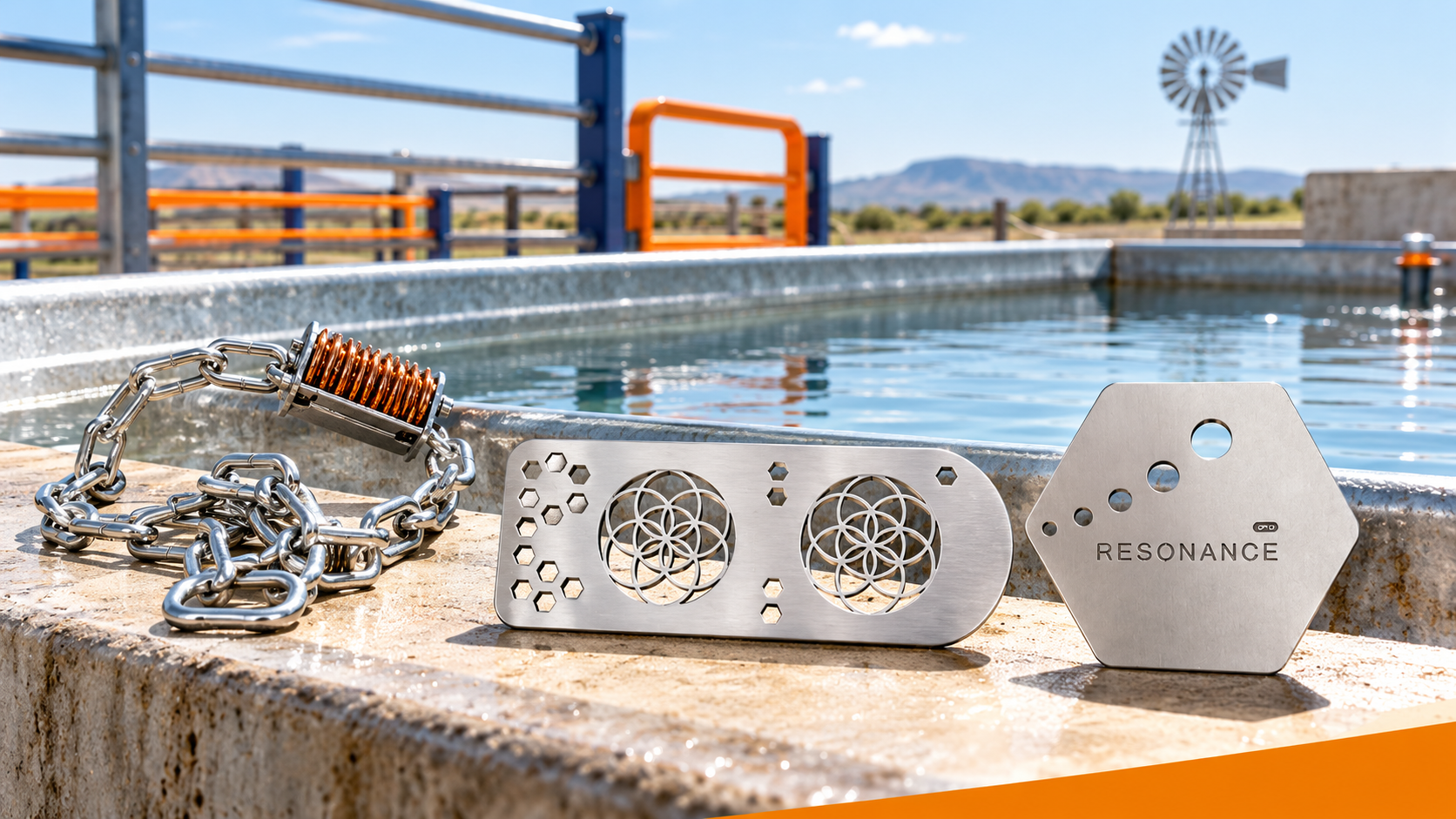
A purpose-built DRS Resonance hardware setup engineered for durable livestock-water ecosystems: neck-chain optimizers, deep-well tank discs, and immersed drinking-trough discs.
Neck-Chain Optimizer
Source Tank Disc
Drinking-Trough Discs
Designed as a system
Three components. Three placement points.
The animal-environment range is organised around where hardware is physically placed: on the animal, at the water-storage source and at the final drinking point. Each item is supplied as a physical component for a defined environment.
The hardware
Built for the working environment.
Neck-chain optimizer
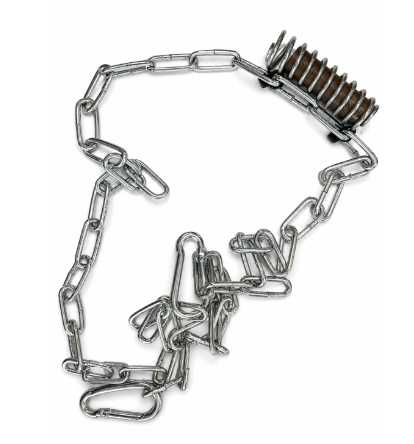
A galvanised livestock neck chain fitted with an optimizer component. It is placed on the animal only where fit, welfare, handling and snag-risk assessments support its use.
Tank disc
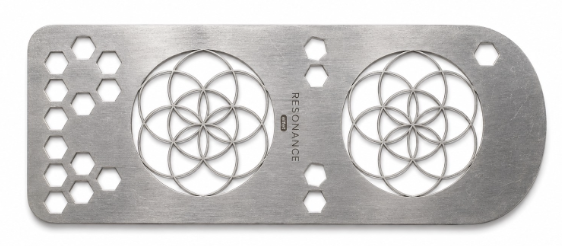
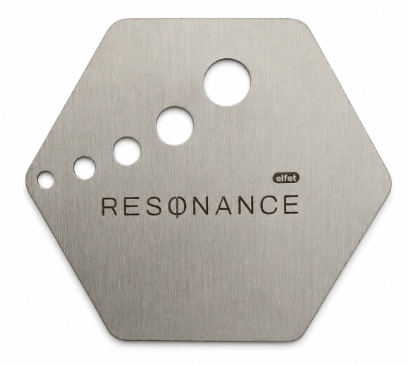
A larger stainless-steel plate positioned at the water-storage point, such as a JoJo tank, before water moves through the farm’s existing distribution system.
Trough disc
A hexagonal stainless-steel resonant disc positioned at individual drinking troughs, ensuring coherent frequency entrainment right at the point where livestock drink.
Sizing tool
Size your Resonance hardware.
Tell us about your herd and water layout. The calculator maps head of cattle to a recommended count of neck chains, tank plates and trough discs. Figures are an indicative starting point — DRS confirms the final configuration during a site assessment.
Balanced cover across the herd and its water system.
80
Neck-chain optimizers
Fitted to ~80 of 80 head
10
Tank laser-cut plates
5 per tank × 2 tanks
6
Trough discs
6 drinking points configured
Balanced one-disc-per-trough cover aligned to your herd size.
Five laser-cut plates are suspended vertically per 10,000 L tank. Neck chains are sized to the coverage tier and rounded to the nearest 5 units. This is an indicative build for a site-assessment conversation — not a fixed specification.
Dairy Cows, Goats & Documented Trials
Empirical field data across commercial herds measuring artificial insemination (AI) conception rates, milk volume yields, butterfat composition, and somatic cell counts facilitated by Mick Lamb and partner veterinary groups.
Artificial Insemination & Milk Production
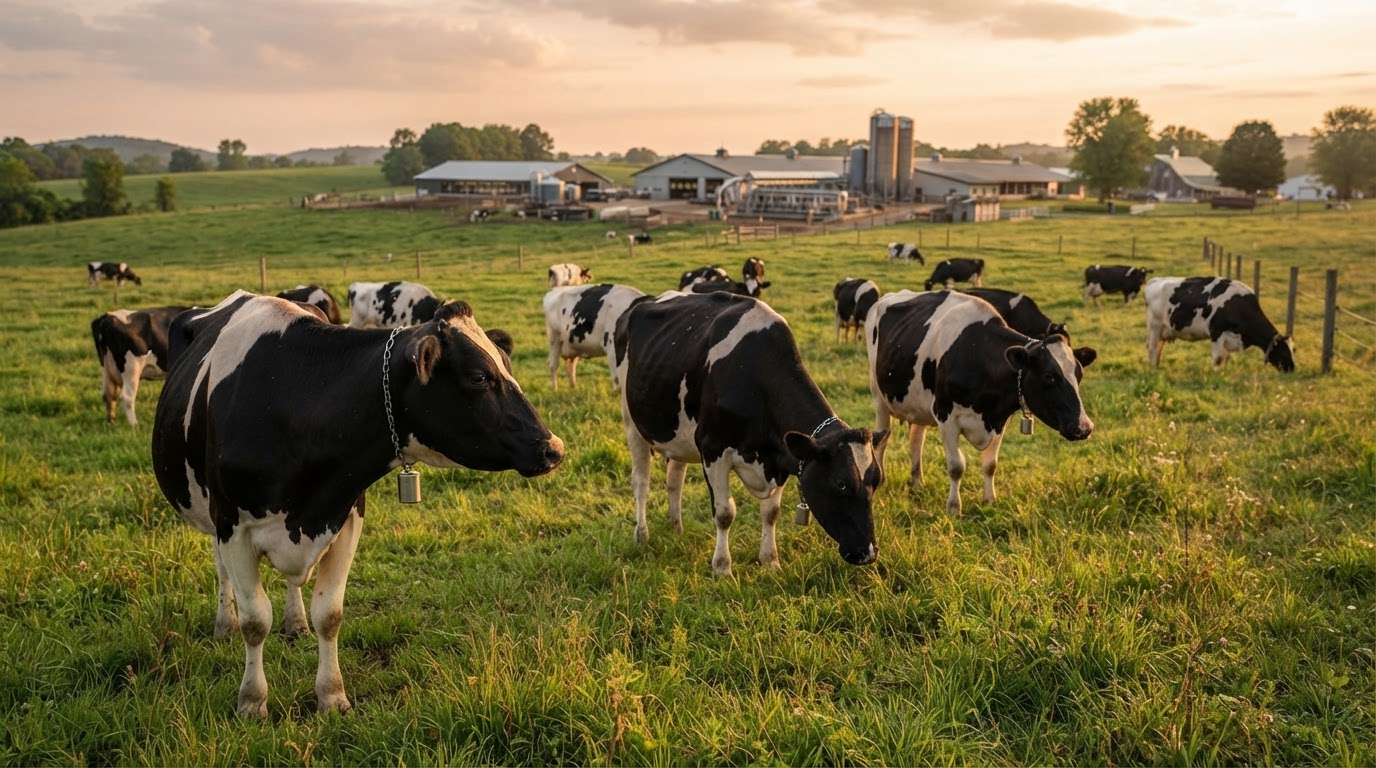
Field trials conducted on commercial dairy herds in South Africa and the United States, facilitated by Mick Lamb, evaluating reproductive vitality and milk volume with ELFET-resonated drinking water.
Significant jump in AI conception success rate observed across a cohort of 1,000 cows in structured AI trials.
Average increase in daily milk volume recorded in 40 selected dairy cows consistently hydrated with conditioned water.
Trial Conditions • Dairy Herd Protocol
- •1,000 Cows enrolled in the AI conception evaluation program under controlled breeding cycles.
- •40 Selected Dairy Cows isolated for precision milk volume and butterfat monitoring over lactation phases.
- •Zero pharmaceutical interventions or synthetic additives introduced; changes strictly limited to water conditioning and neck-chain resonance.
Where the equipment is used
Map the hardware to the farm layout.
Livestock handling
Neck-chain hardware is considered only for appropriate animal groups and only after farm personnel confirm practical fit, supervision and handling requirements.
Water storage
Tank discs are located in the farm’s existing water-storage infrastructure, allowing the system to be planned at the source rather than added to daily routine.
Drinking stations
Trough discs are placed at selected drinking stations, making it possible to configure the hardware around camps, pens or production areas.
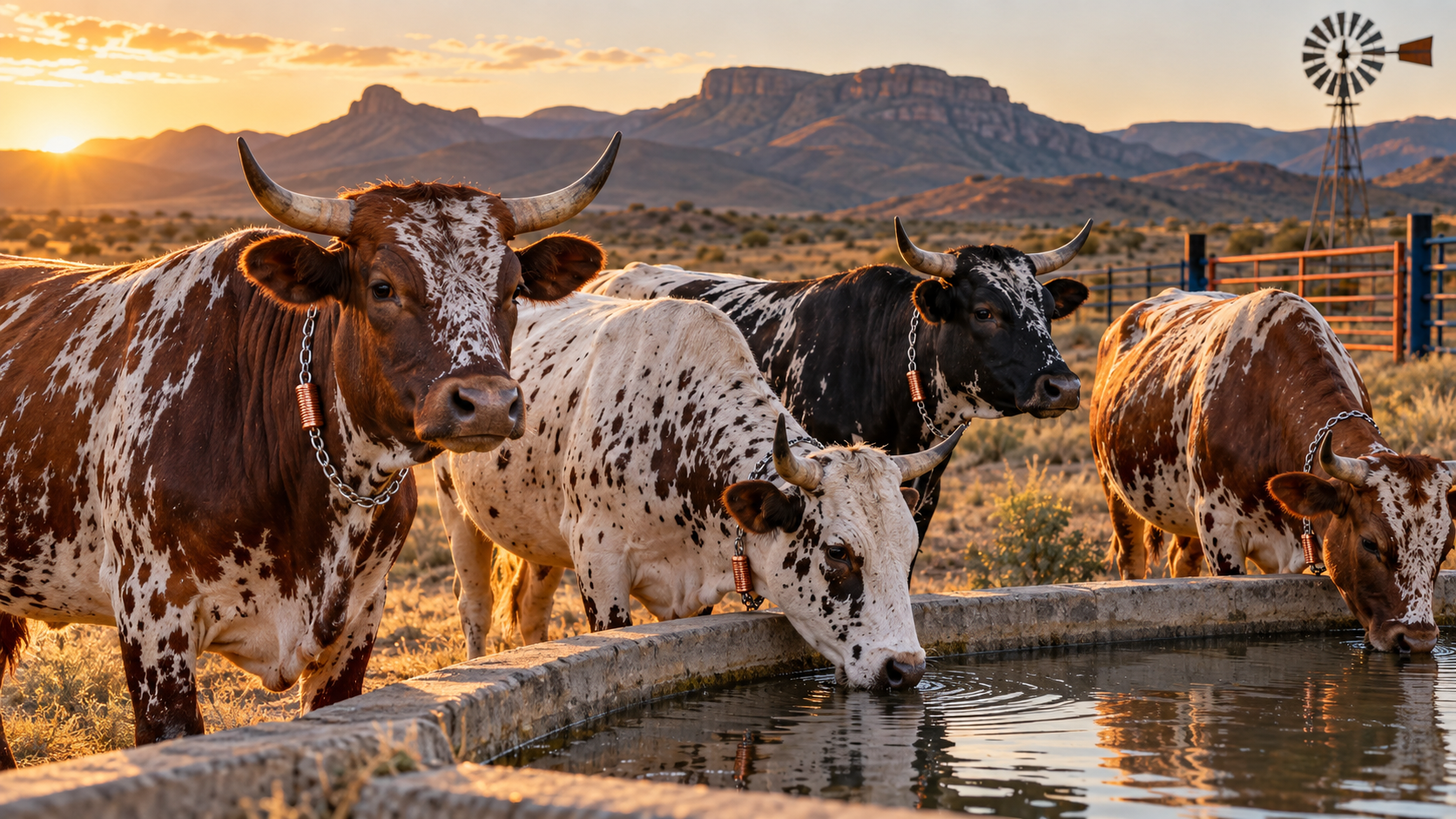
CONCEPT VISUAL / FIELD RESEARCH • NGUNI HERD & NECK-CHAIN OPTIMIZER
The protocol
Wearable hardware, paired with the water layout.
Field configuration
Each selected animal may wear a galvanised neck chain fitted with a neck chain optimizer component, subject to a farm-specific fit, welfare, supervision and snag-risk assessment. At the water source, a larger DRS Resonance disc can be positioned inside a compatible JoJo storage tank; smaller discs can be positioned at selected drinking troughs so the installation is mapped to the farm’s existing water system.
Responsible-use boundary
The optimizer’s internal design references botanical signatures associated with white willow bark and astragalus. The hardware is not medication and does not provide pain management or anti-inflammatory treatment. MMS and other chemical water additives are excluded from this DRS protocol. Any water additive must be independently assessed, legally compliant and used only under the direction of a qualified veterinarian and the product manufacturer’s instructions.
Implementation
Start with the practical controls.
Site map
Identify animal groups, storage tanks, water lines, troughs, cleaning routines and access points.
Fit & placement
Confirm safe chain fit, secure component placement and normal access for cleaning, inspection and water maintenance.
Operate normally
Keep ordinary veterinary, welfare, biosecurity, water-quality and farm-management controls fully in place.
The field around the trough
A coherent toroidal field at the drinking point.
Where the hexagonal trough disc sits in the water, the entrained frequency is modelled as a self-sustaining torus — energy rising through the centre of the trough and curling back down the outside, wrapping the drinking point in a coherent field. The visual below is a concept rendering of that toroidal structure around a standard steel drinking trough.
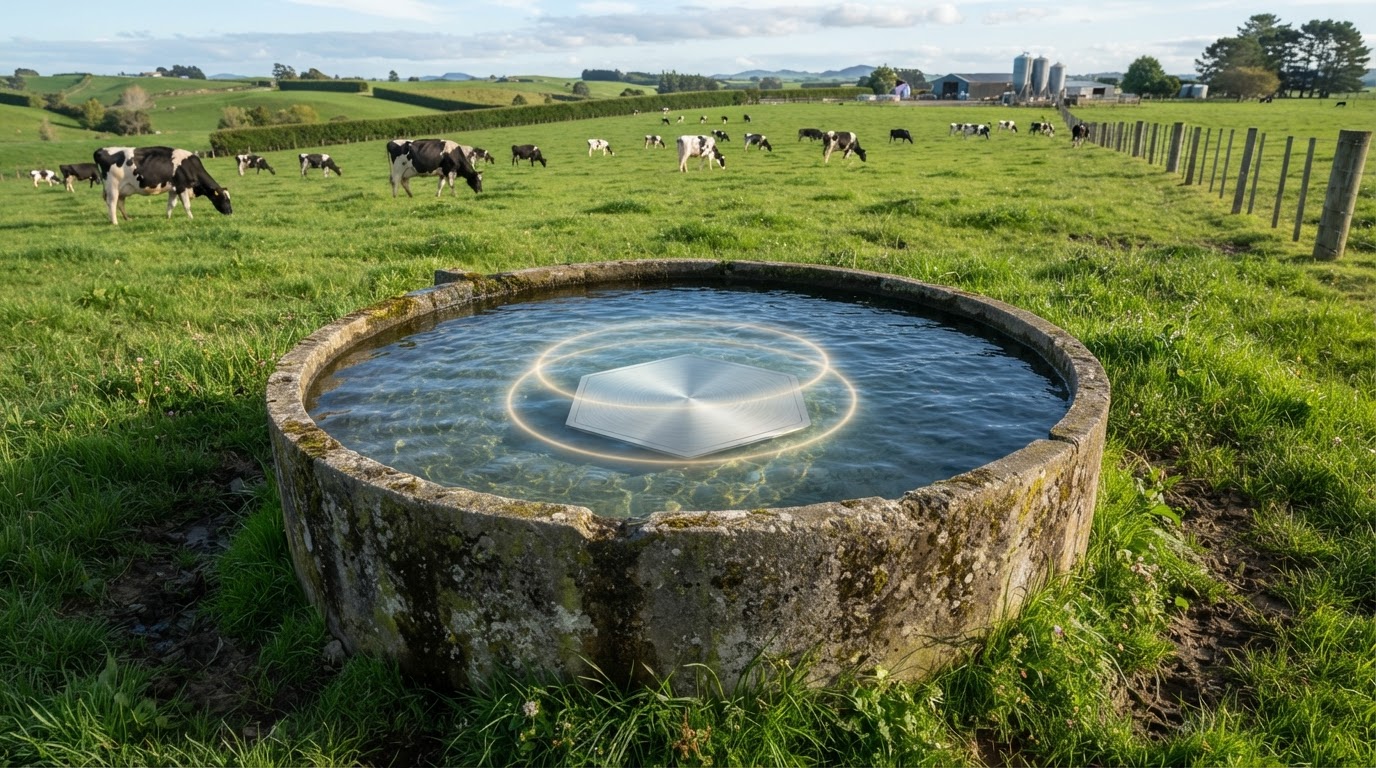
CONCEPT VISUAL / FIELD MODELLING • TOROIDAL ENTRAINMENT AROUND THE DRINKING POINT
Animal-environment enquiry
Map your environment with DRS.
Tell us about the herd, water-storage and drinking-point layout you would like to discuss. We’ll help you map the hardware to your farm’s existing water system.